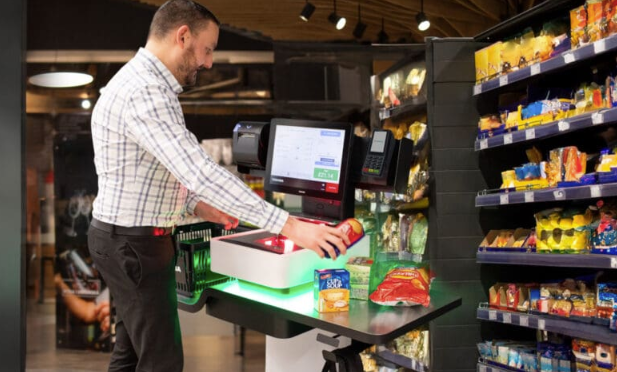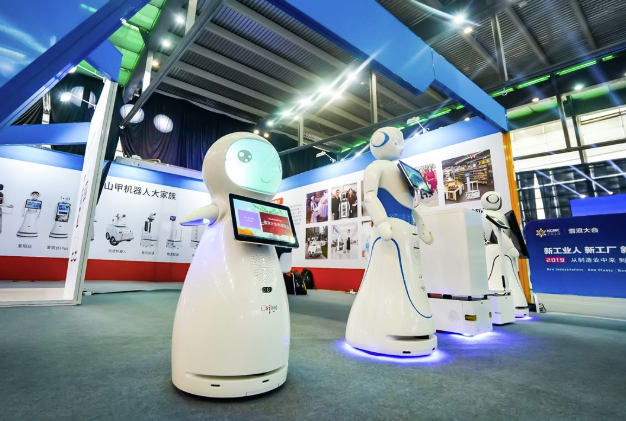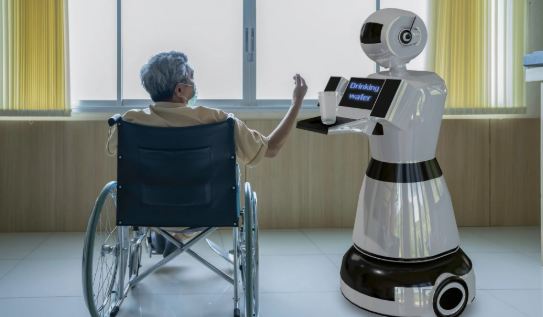
Service robots are increasingly being adopted in customer service industries, providing a blend of efficiency and cost-effectiveness. These machines offer immediate assistance, enhancing user interaction while handling routine tasks. However, the integration of service robots is not without its challenges, including user acceptance and technological constraints. Understanding the implications of these factors is essential for organizations considering this transition. What does the future hold for the collaboration between humans and these automated systems?
The Benefits of Service Robots in Customer Service
As businesses increasingly adopt technology to enhance their operations, service robots have emerged as a valuable asset in customer service environments.
These robots provide cost efficiency by reducing labor costs and streamlining processes. Additionally, they facilitate enhanced engagement by delivering consistent, immediate assistance to customers, fostering a more interactive experience.
This dual benefit positions service robots as crucial components in modern customer service strategies.
Key Challenges in Implementing Service Robots
What obstacles must businesses navigate when integrating service robots into their customer service frameworks?
Key challenges include overcoming technical limitations, such as software functionality and hardware capabilities, which can hinder performance.
Additionally, user acceptance plays a crucial role; customers may resist interaction with robots, preferring human engagement.
Addressing these issues is essential for successful implementation and maximizing the potential benefits of service robots.
Real-World Examples of Service Robots at Work
Service robots have begun to transform customer service across various industries, showcasing their effectiveness in enhancing operational efficiency and customer satisfaction.
Robotic receptionists in hotels efficiently check in guests and provide information, while delivery drones are revolutionizing logistics by ensuring timely deliveries.
These examples illustrate how integrating technology can streamline operations, ultimately providing consumers with a more seamless and enjoyable experience.
See also: qkfzzu1lbnvinhp4dlhz
The Future of Human-Robot Collaboration in Customer Service
While the integration of service robots has already begun to reshape customer service, the future promises an even more synergistic relationship between humans and robots.
Advancements in collaborative technology will enhance human interaction, allowing employees to focus on complex tasks while robots manage routine inquiries.
This partnership aims to improve efficiency and customer satisfaction, ultimately redefining the service landscape and promoting a more adaptable workforce.
Conclusion
In conclusion, the integration of service robots in customer service industries offers numerous benefits, including enhanced efficiency and immediate assistance. However, challenges such as user acceptance and technological limitations need to be addressed to maximize their potential. For instance, a hotel chain that implemented robotic concierges saw a 20% increase in customer satisfaction, demonstrating the positive impact of such technology when effectively integrated. As these systems evolve, the collaboration between humans and robots is poised to redefine customer service experiences.