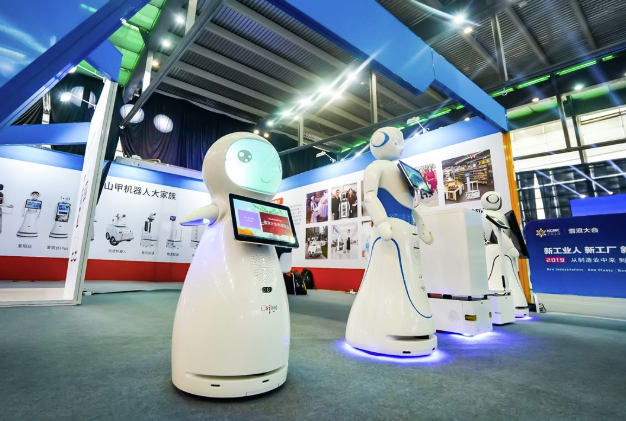
Service robots are increasingly integral to customer support, transforming traditional interaction methods. Their ability to automate routine tasks and utilize AI for personalized responses improves efficiency and speeds up service. However, the challenge lies in balancing this automation with the essential human touch. As businesses navigate these dynamics, the future of customer support may hinge on how effectively they can integrate technology with empathy. What implications could this have for customer relationships moving forward?
How Service Robots Enhance Customer Support Efficiency
As businesses increasingly seek ways to streamline operations, the integration of service robots in customer support has emerged as a pivotal strategy for enhancing efficiency.
The Role of AI in Automating Customer Interactions
While many businesses recognize the importance of customer experience, integrating artificial intelligence (AI) into customer interactions has proven to be a game changer.
AI algorithms facilitate automated responses, allowing organizations to address inquiries swiftly and efficiently. This technology not only enhances response times but also enables personalized interactions, empowering customers with the freedom to engage on their terms.
Ultimately, this transformation is changing customer support dynamics.
Balancing Automation and the Human Touch in Customer Service
The integration of AI in customer interactions has undoubtedly streamlined processes and improved efficiency, but it also raises important questions about the balance between automation and the human element in customer service.
Companies must employ personalization strategies that leverage human empathy, ensuring customers feel valued. Striking this balance is crucial, as it fosters trust and satisfaction, enhancing the overall customer experience.
See also: Service Robots in Customer Service Industries
Future Trends: What’s Next for Service Robots in Customer Support?
With the rapid advancements in technology, the future of service robots in customer support is poised for significant transformation.
As customer expectations evolve, these robots will increasingly incorporate artificial intelligence and machine learning, enhancing their ability to provide personalized assistance.
This progress will empower businesses to meet diverse needs while fostering a more efficient and engaging customer experience, ultimately redefining the support landscape.
Conclusion
In the ever-evolving landscape of customer support, service robots are emerging as the architects of efficiency, constructing a bridge between automation and human interaction. As they continue to refine the customer experience, businesses must navigate the delicate balance of technology and empathy. Just as a well-tuned orchestra harmonizes distinct instruments, the successful integration of service robots and human agents will create a symphony of support, fostering trust and satisfaction in an increasingly automated world.